
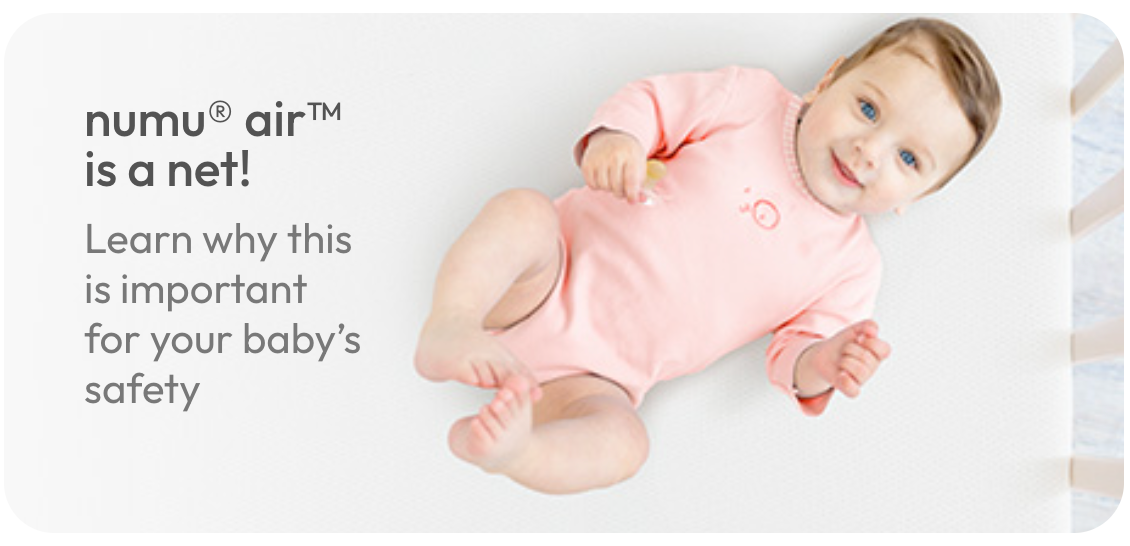
Breathability in Baby Mattresses
Why It Matters More Than You Think
For years, the standard baby mattress has been a foam or spring core wrapped in a thick layer of vinyl. While these are designed to be waterproof and easy to wipe clean, they are also effectively air-proof and heat-proof creating a sleeping surface that can trap heat and liquids against your baby’s skin.
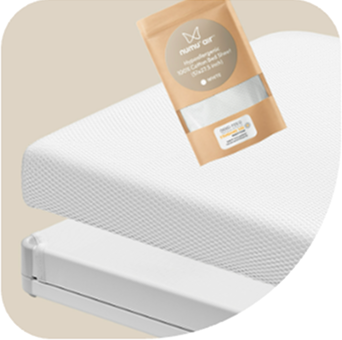
In contrast, a breathable mattress is designed with an open-cell structure or a mesh surface that allows air to move freely through the mattress itself. This isn't just a comfort feature; it changes the safety profile of the crib for every stage of your baby’s first year.

As parents, we follow the "Back to Sleep" guidelines religiously to keep our newborns safe. However, many parents assume that as long as a baby is on their back, the mattress they are lying on doesn't matter much.
The truth is, breathability is a critical safety feature from day one, and its importance only grows as your baby develops.

1. The Early Months: Why Back-Sleepers Need Airflow
Even when your baby is sleeping safely on their back, a traditional vinyl-covered mattress presents two hidden challenges

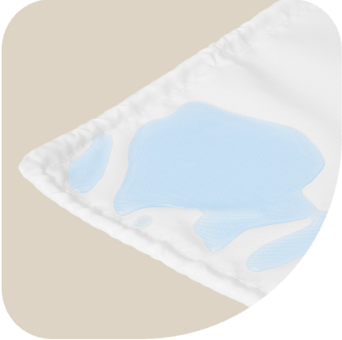
Liquid Management: Babies spit up, it’s a fact of life. On a non-porous vinyl surface, liquids (like reflux or spit-up) "pool" around the baby’s head. This creates a risk of secondary aspiration, where the baby may accidentally inhale the fluid. A truly breathable mattress allows these liquids to pass through the surface, keeping the baby’s face dry and the airways clear.

Preventing the "Greenhouse Effect": Babies are notoriously bad at regulating their own body temperature. Traditional mattresses trap body heat, which can lead to overheating, a known risk factor for SIDS. A breathable mattress allows for 360-degree air circulation, dissipating heat and keeping your baby cool and comfortable.
2. The Turning Phase: A Life-Saving Second Layer of Defense
Around 4 to 6 months, babies reach a major milestone: they start to roll over. While this is an exciting step, it often leads to "tummy sleeping," which can be a source of anxiety for parents. This is where breathability becomes essential
Dispersing CO2: When a baby’s face is pressed against a standard mattress, they can "rebreathe" the carbon dioxide they’ve just exhaled. This lowers their oxygen levels and can lead to suffocation. A breathable mattress is designed to disperse CO2 significantly faster than traditional materials, ensuring that even if a baby rolls over, they are breathing fresh air rather than trapped gases.

Physical Airway Clearance: Because these mattresses are made of air- permeable materials rather than solid foam, they provide a much lower resistance to breathing. It is the difference between trying to breathe through a plastic bag versus a screen door.

The Bottom Line
Choosing a breathable mattress is about more than just a "cool" sleep; it’s about creating a sleep environment that proactively manages the risks of liquids, heat, and carbon dioxide. It provides an extra layer of protection for your baby - and a much needed peace of mind for you.
Be a Responsible Parent
Explore all 6 reasons why to buy your baby a numu air® surface instead of a mattress:


